X


No more climbing scaffolding for the most dangerous task on the construction site.
2026-10-16 11:17:25
Just imagine: several plasterers standing on a 4-meter-high scaffold, trying to apply material and smooth it out while the platform wobbles beneath their feet—making it impossible for them to exert any real force with their trowels. By the end of the day, they’ve managed to cover very little ground, and any sections that end up hollow—lacking proper adhesion—have to be chipped off and redone.
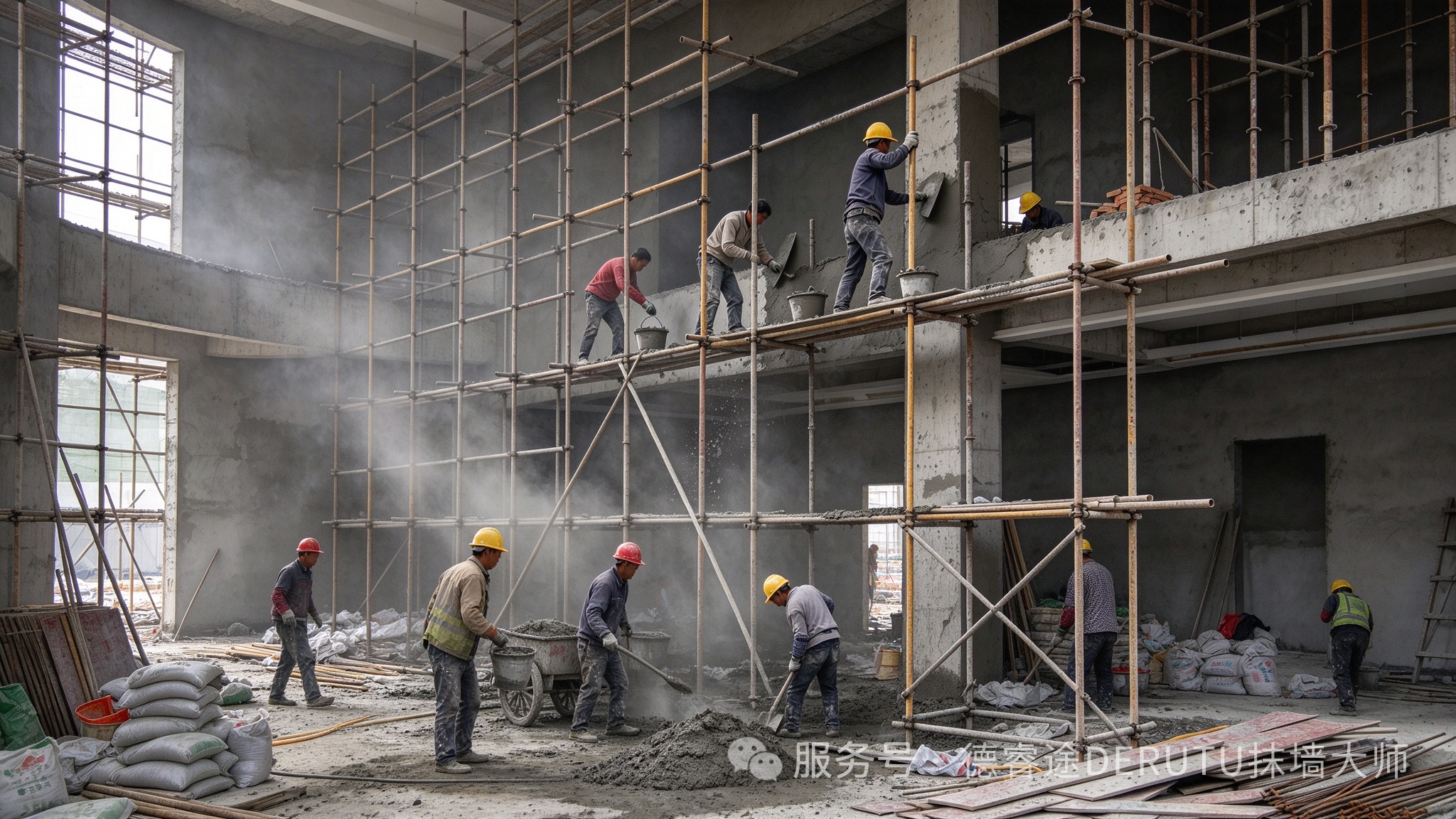
Many people assume there are no standards for plastering. In reality, inspection codes provide clear specifications regarding thickness and flatness. The issue is that these standards are applied only after the work is done—they aren't "embedded" into the tools themselves. No matter how detailed the regulations may be, a trowel in a worker’s hand cannot measure thickness or record data on its own.
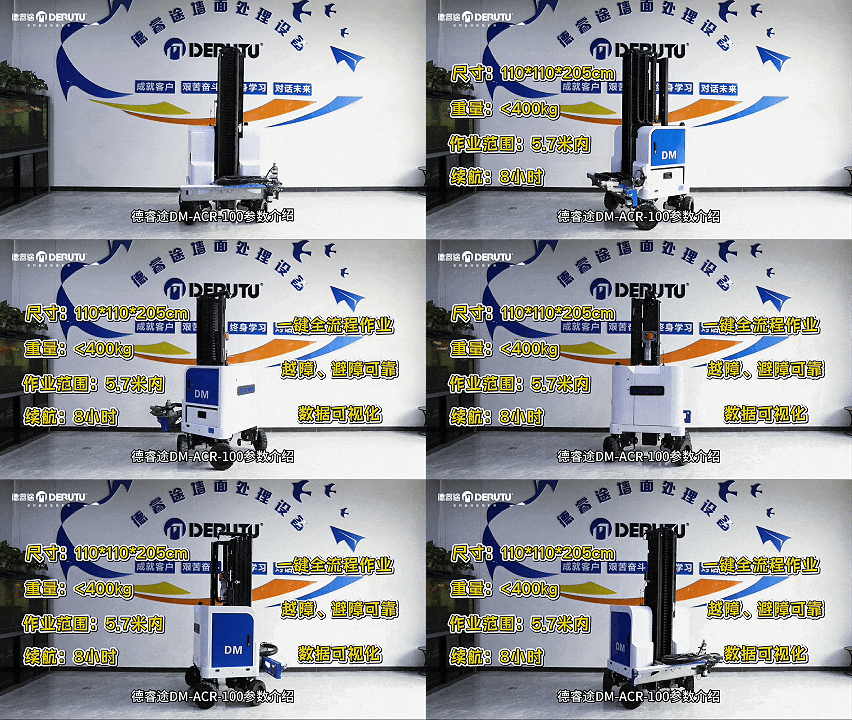
Meet the Derutu DM-ACR-100—an autonomous coating robot that automatically maps its environment, plans its own path, operates independently at heights of up to 5.7 meters, and even collects construction data!
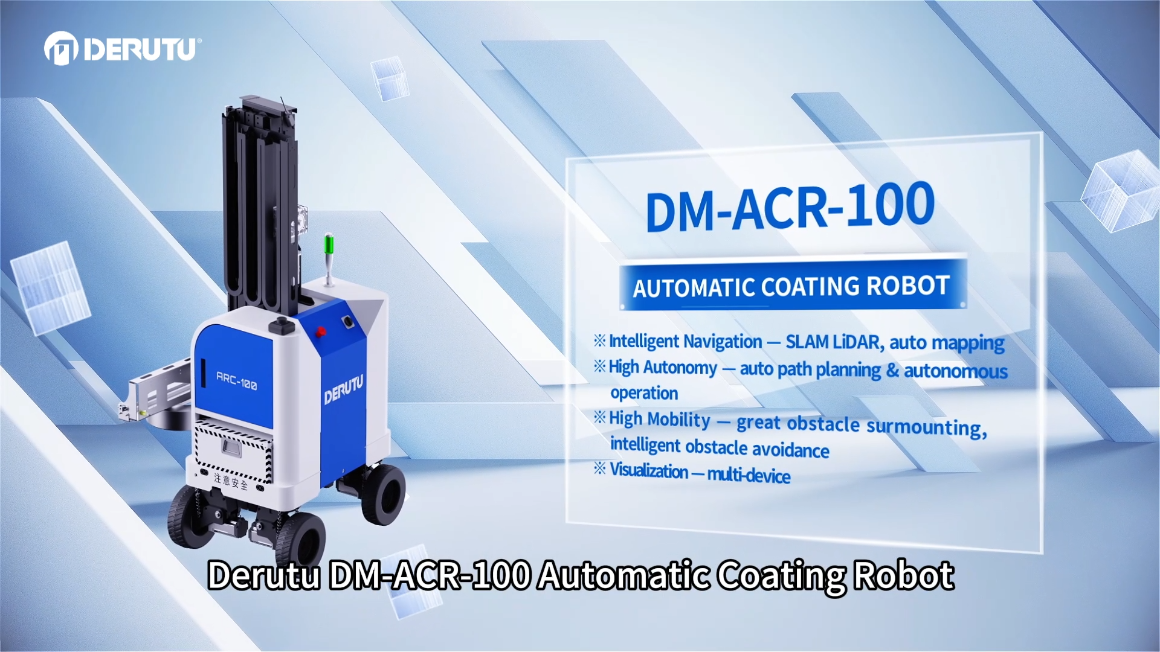
1. The Derutu DM-ACR-100 automated coating robot features precise SLAM-based LiDAR navigation; it automatically maneuvers around people and obstacles, ensuring a safe and worry-free application process.
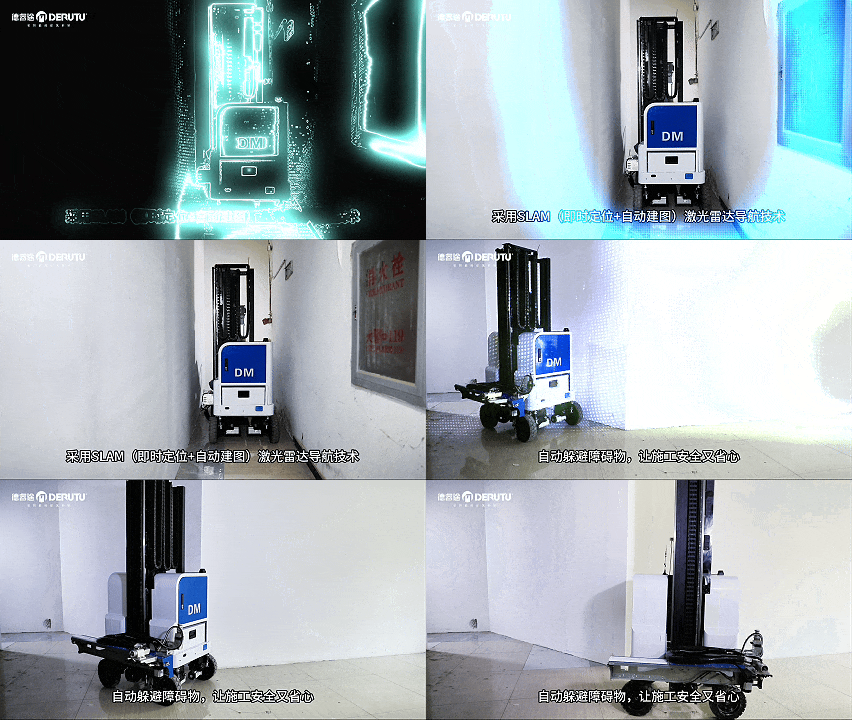
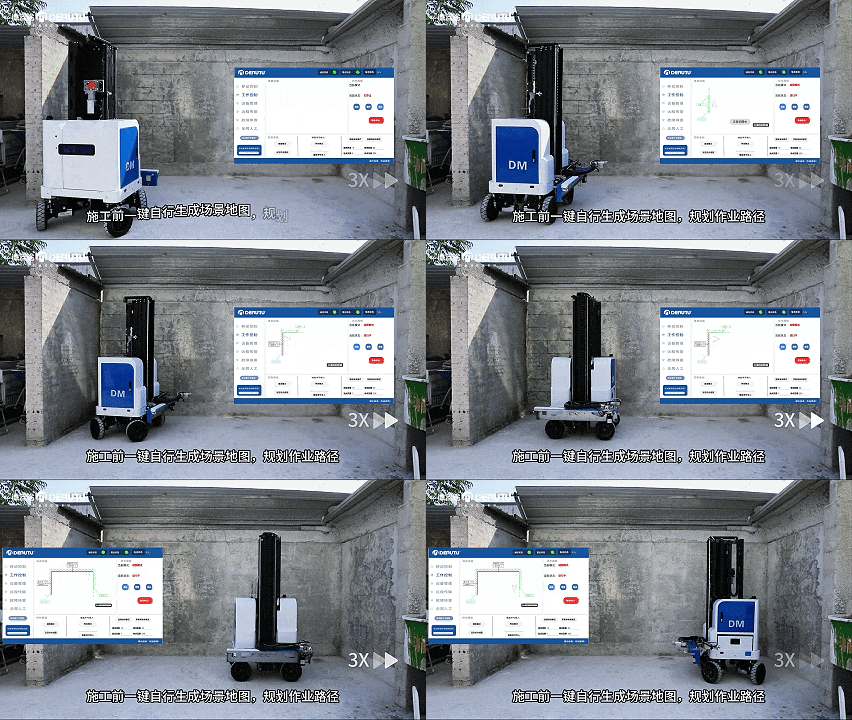
2. Before construction, a site map can be automatically generated with a single click to plan operational paths.
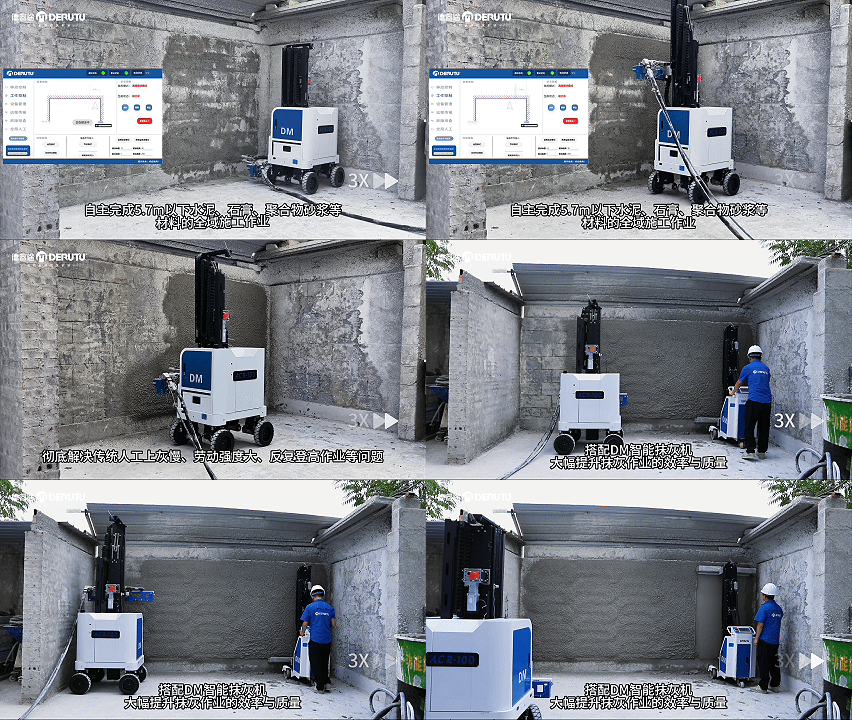
3. The system automatically begins operations based on a planned path. When paired with the Deruitu DM plastering machine—which handles both spraying and troweling—a team of just three workers can complete up to 800㎡ of plastering per day. In contrast, a traditional 4–5 person crew typically manages only 150–200㎡ daily—not to mention the added challenges of maneuvering on scaffolding or having to redo work due to hollow spots (delamination).
4. Equipped with an information module, it transmits completed work volumes and operational data in real time to the "smart construction site" command center. Every move it makes on-site contributes to an immutable digital twin record for the entire project. What the project manager sees from the office is the exact same data generated by the machine’s actual activity on the job site.

This is why, over the past two years, there has been so much talk on construction sites about "visualized construction" and "digitalized job sites"—it’s not just a passing trend; the plastering process, in particular, truly requires a pair of eyes capable of monitoring the work in real time.
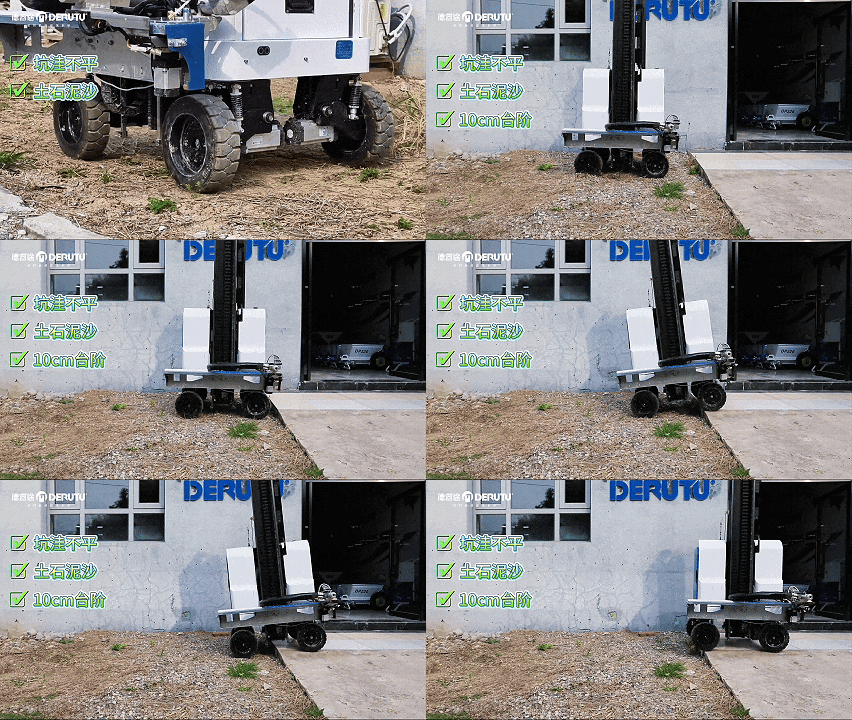
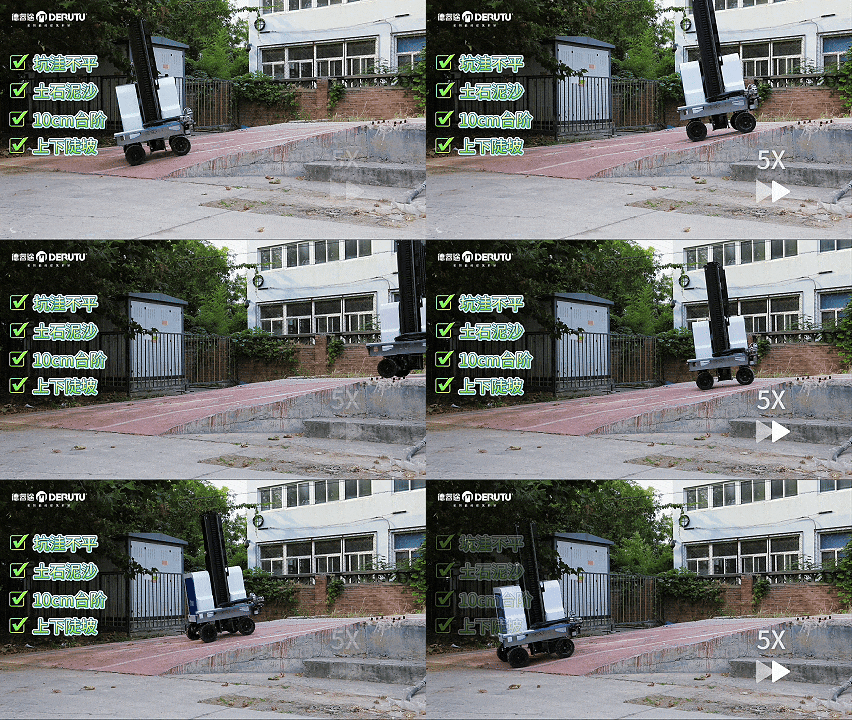
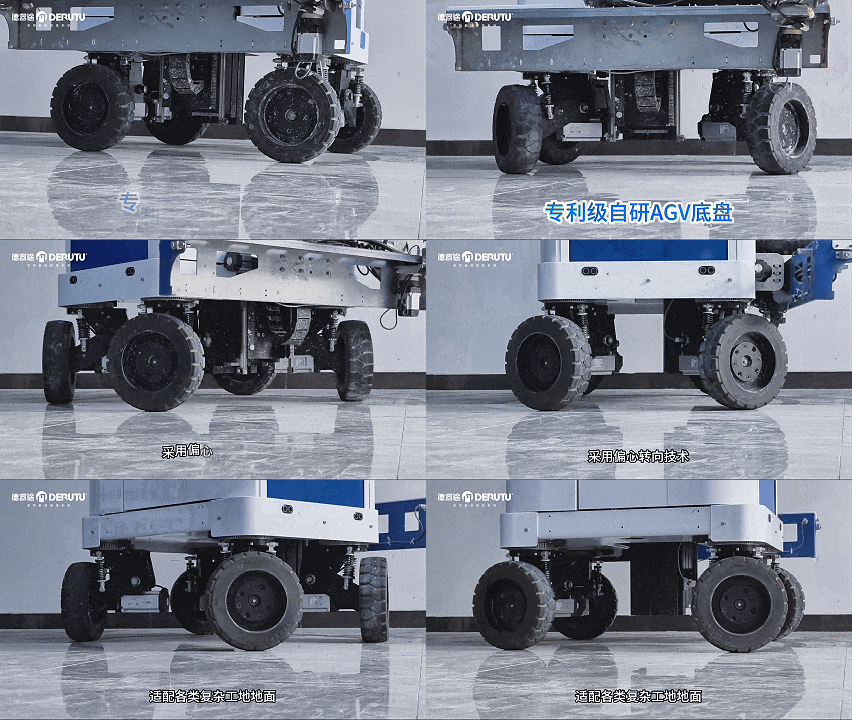
5. The self-developed AGV chassis is capable of navigating a wide range of complex terrains—including uneven or potholed ground, dirt, gravel, and sandy surfaces—and can easily traverse 10cm steps as well as steep inclines, remaining unfazed by any road conditions.
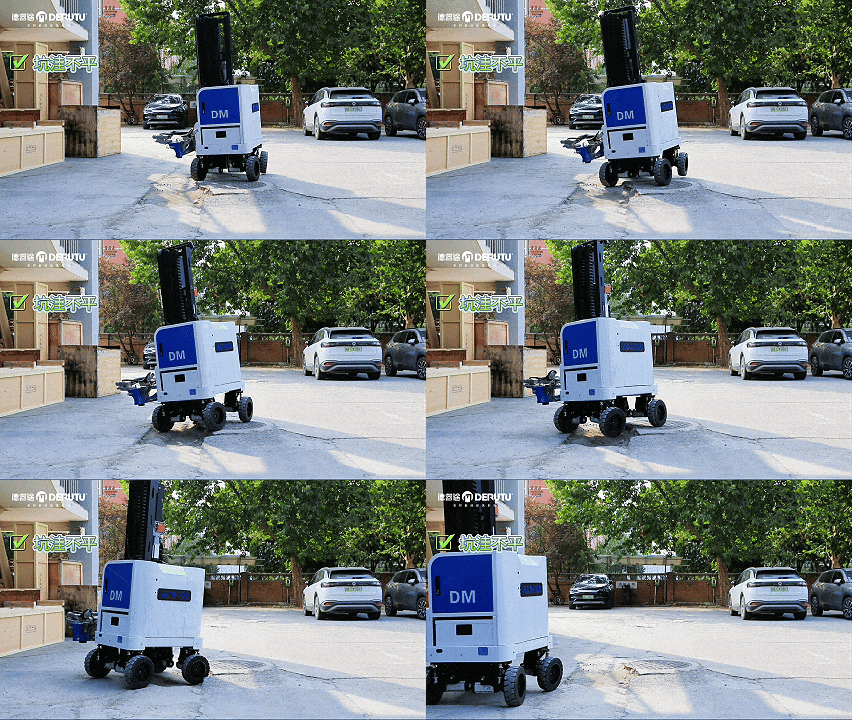
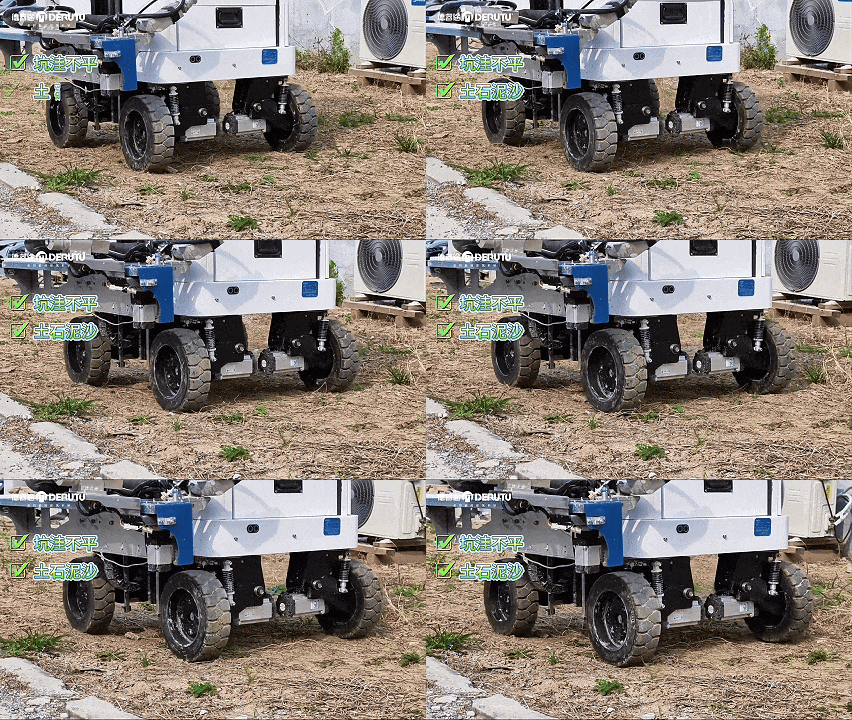
6. Patented, friction-free rolling steering compensation ensures no scuffing of the epoxy primer during turns—allowing the equipment to be brought onto the site even after the flooring has been finished.
So, you will find that the true value of this machine does not lie in "taking over the work done by human hands," but rather in transforming an entire production process—one that previously relied on the expertise of seasoned craftsmen—into an intelligent system that can be replicated, uploaded, and managed remotely.
Workers operating it don’t need to be seasoned masters of the craft; they simply need to know how to watch a screen and press a "start" button. This is the true significance of introducing intelligent robots to construction sites: they do not merely replace an individual worker—they replace an entire system of expertise that has traditionally been passed down through oral instruction and hands-on demonstration.
But that’s not the most valuable part. The most valuable elements are those that don’t show up directly on a payslip:
· The number of personnel working at heights is significantly reduced, leading to a lower probability of accidents;
· Workers are no longer exposed to high levels of dust for extended periods, which decreases occupational health disputes and employment-related risks;
· Thickness and coverage are controlled consistently by the machine, resulting in higher first-pass acceptance rates and less need for remedial chipping or rework;
· The process no longer relies on the subjective "feel" of highly skilled veteran craftsmen; new workers can begin operations after only brief training, ensuring that work teams are not held hostage by the availability of a few senior specialists;
· The machine can operate continuously in two shifts—even at night—to meet tight deadlines, without the need to pay double wages for night-shift labor.
Taking all this into account, the essence of cost reduction is not about laying off a few workers; rather, it is about transforming a process—one that is highly dependent on individuals, personal experience, and risk-taking—into a standardized procedure that is repeatable, predictable, and verifiable.