X

When it comes to plastering, why do some people have to redo their work, while others get it right on the first try?
2026-11-17 16:06:41
Who hasn’t run into pitfalls when plastering drywall?
Tight schedules — A shortage of skilled plasterers makes it difficult to keep up with project timelines.
Poor quality — Manual application leads to uneven thickness, increasing the risk of hollow spots and the need for rework.
High waste — Gypsum is expensive and sets quickly; any material that falls to the floor is effectively rendered unusable.
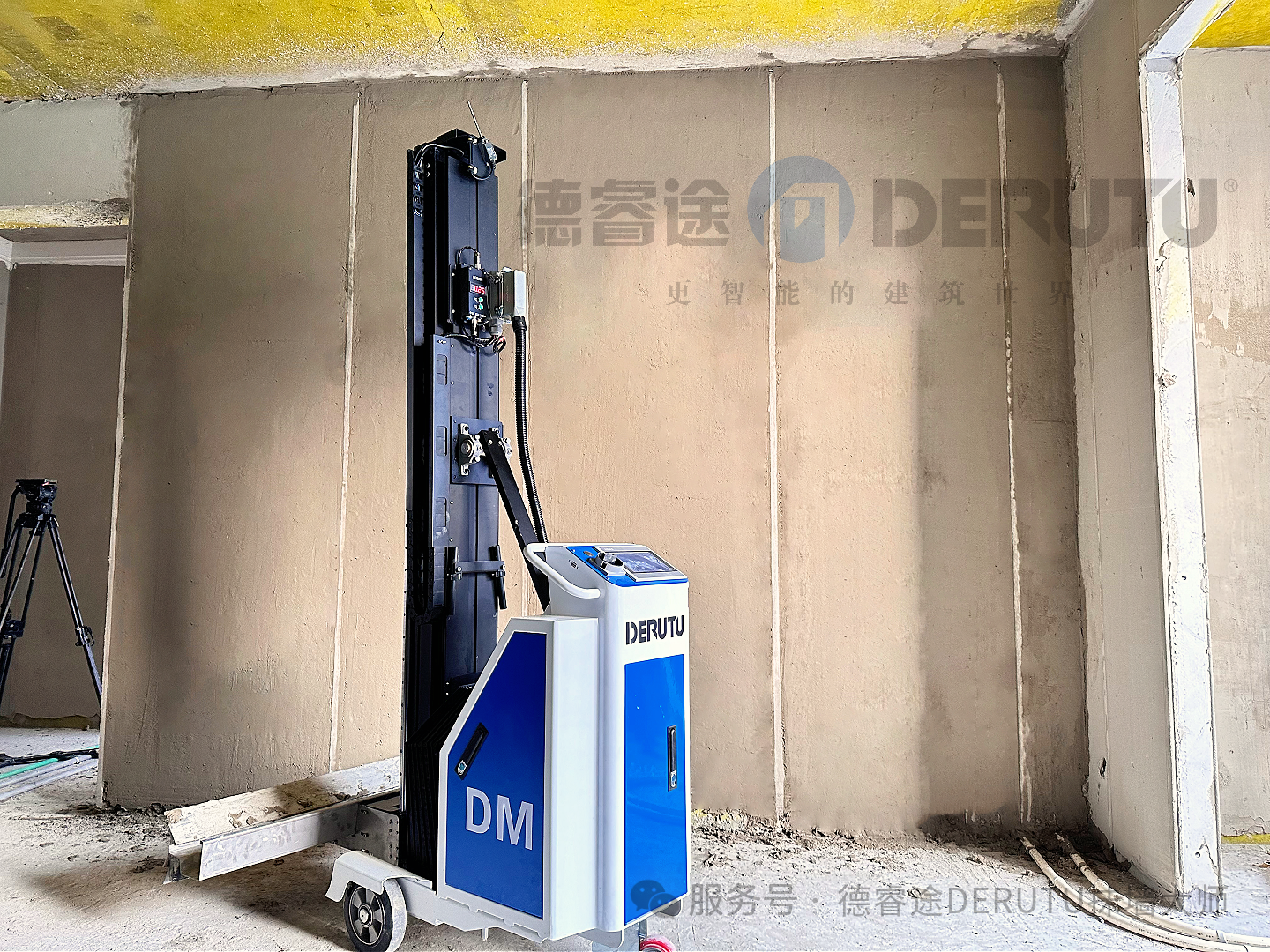
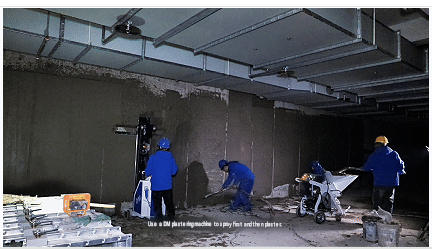
Phase V of the Changsha Zhenye City project faces this very situation. With a total floor area of approximately 50,000 square meters—comprising two apartment buildings, one commercial building, and an underground level—the project demands strict adherence to both construction quality standards and critical project milestones. In this discussion, we will explore how this specific approach overcomes these common industry challenges.
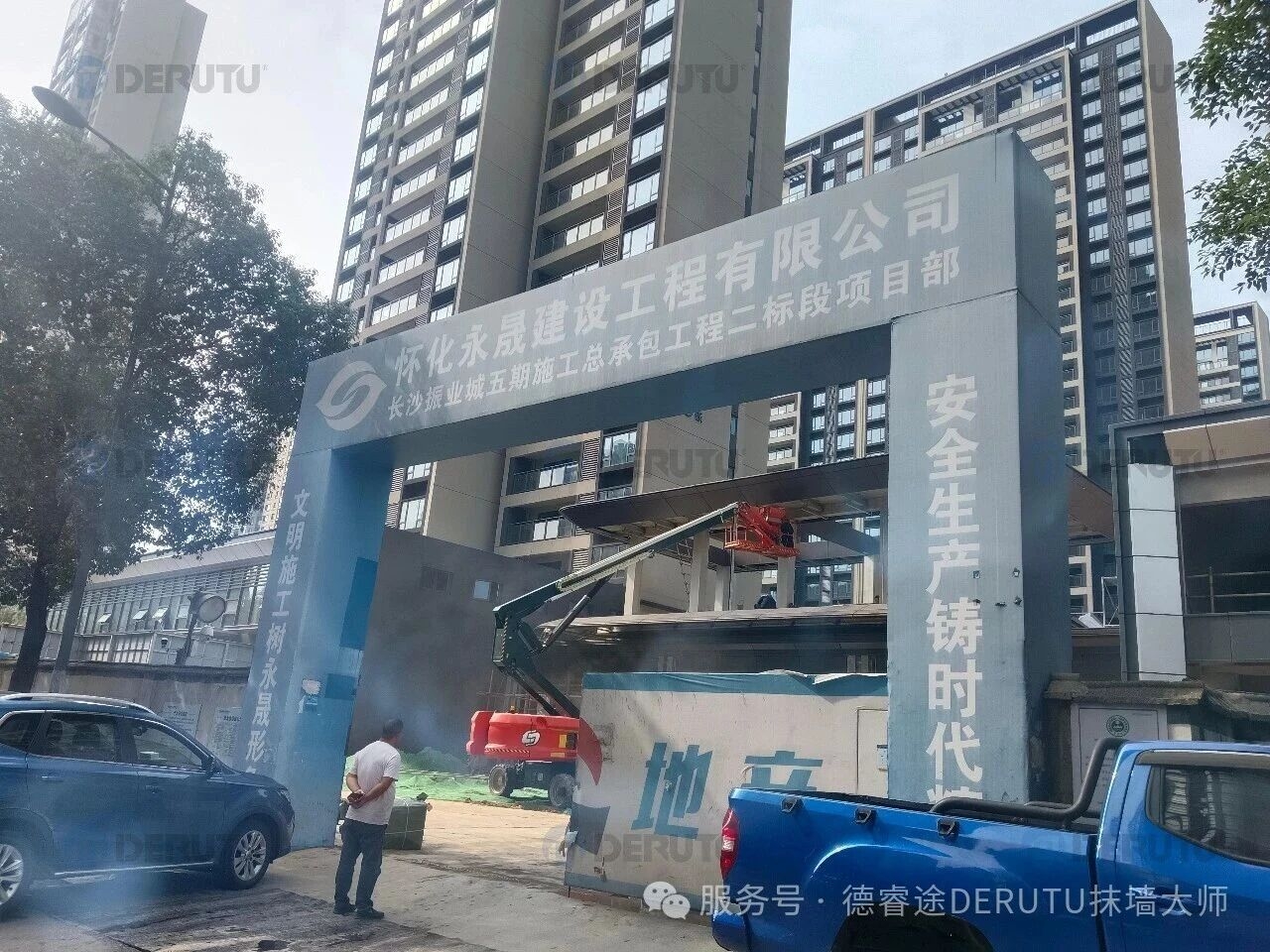
1.Tight deadlines, staff shortages — double your efficiency
In the second section of the Zhenye City project, the individual apartment buildings feature large wall surface areas and significant height; relying entirely on manual plastering creates a dual challenge: securing enough labor while also racing to meet the construction schedule.
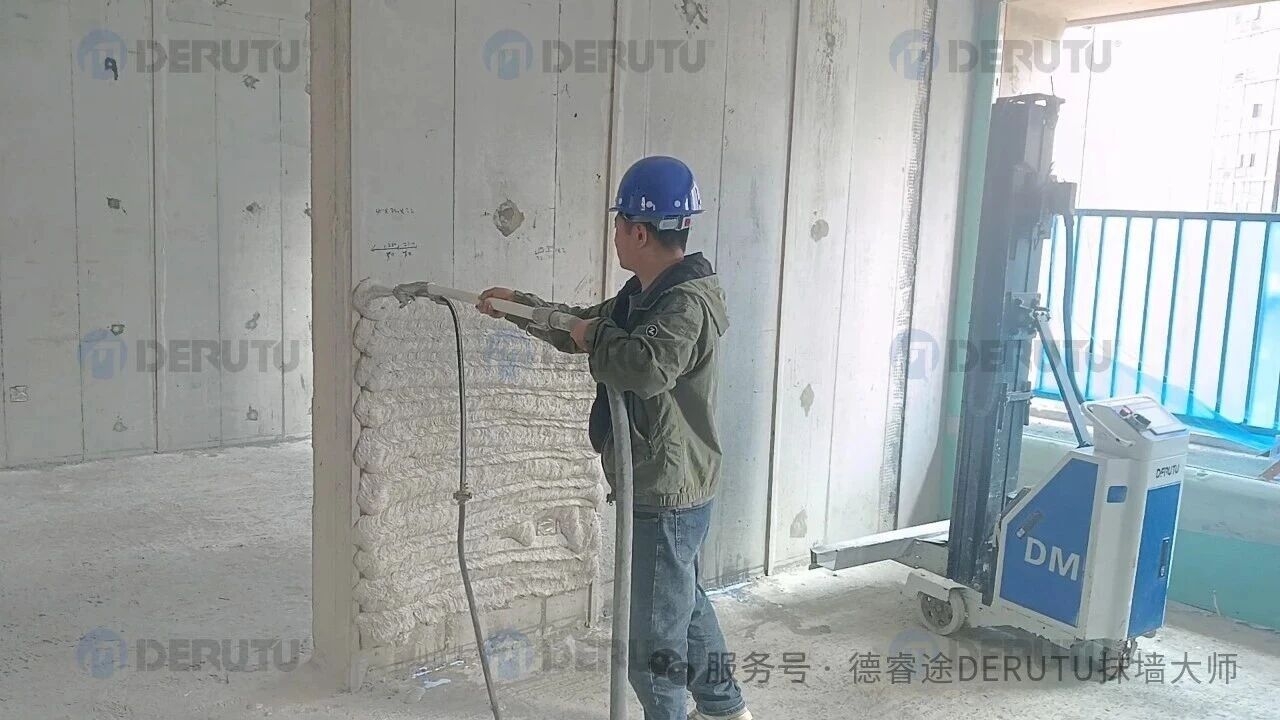
Derutu’s Two-Machine Solution:
A spraying machine applies the gypsum base coat to the wall, followed by a plastering machine that levels it out—completing the process in a single pass. In field tests, a four-person team using this setup can consistently plaster 800㎡ per day—an output equivalent to that of 10 skilled manual laborers. There’s no need to assemble large crews, and project timelines are effectively cut in half.
2. Rework due to hollow spots, quality inconsistency — Standardized construction
The difficulty with manual plastering lies in relying on "feel"—not only does it often necessitate subsequent repairs or rework, but it also negatively impacts the project's reputation upon handover.
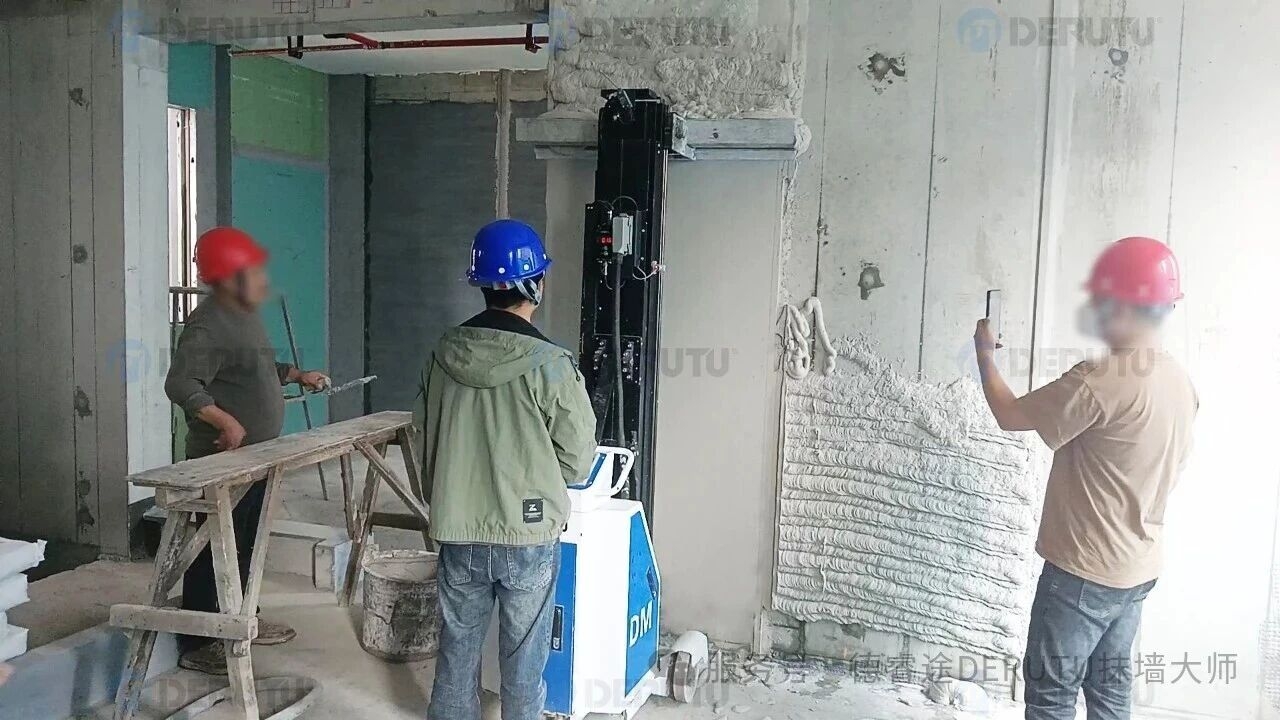
Solution:
A spraying machine forces coating material into the gaps of the wall substrate, providing more than double the adhesion strength of manual application and reducing the risk of hollow spots. A plastering machine ensures automatic leveling, resulting in a uniform thickness with a margin of error of no more than 2mm.
3. Material waste — High utilization rate
During manual plastering, material is often wasted due to mortar falling to the floor or being applied in uneven thicknesses. Furthermore, if too much gypsum is mixed, the excess hardens and must be discarded; conversely, if too little is mixed, work comes to a standstill while waiting for more material—all of which adds up to a significant cost.
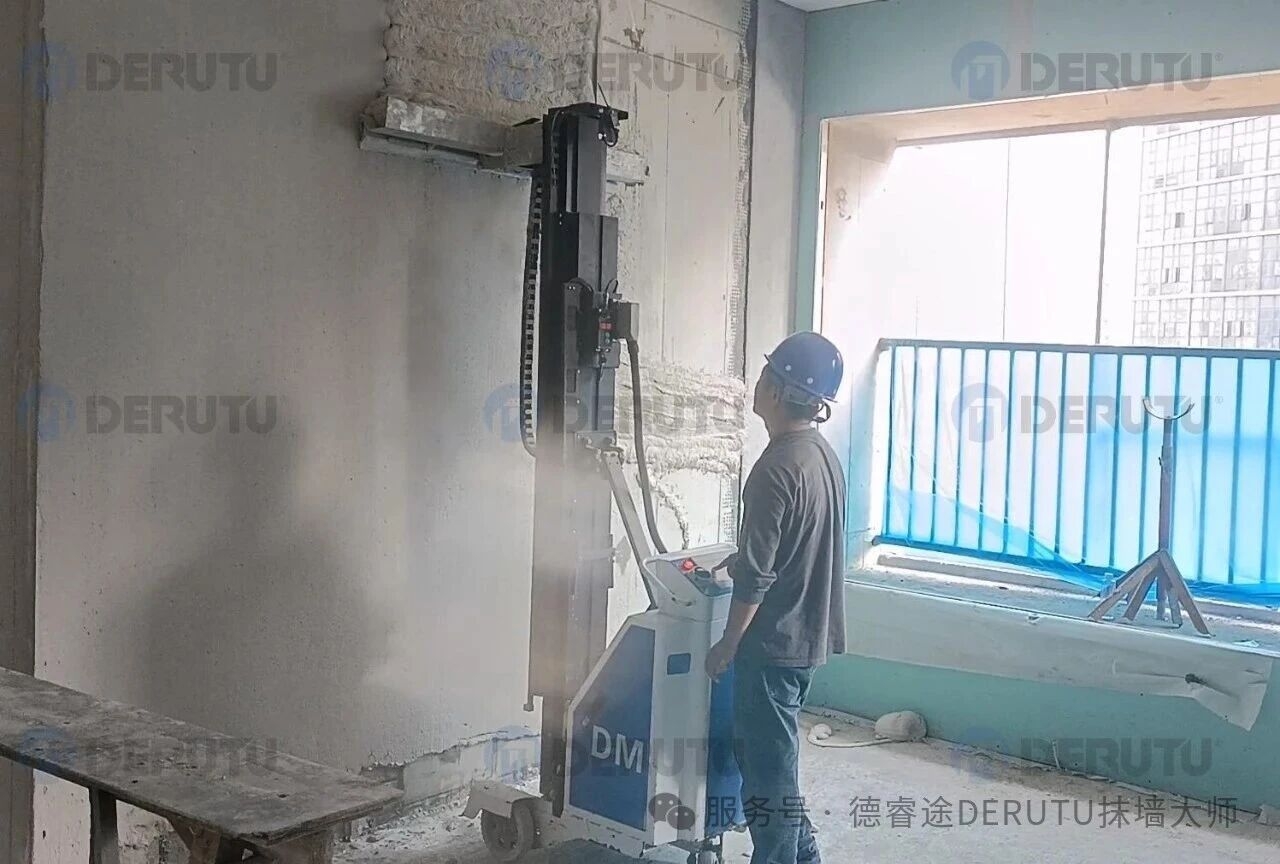
Solution:
From the hopper to the wall surface, the plaster remains in a state of controlled flow throughout the entire process, significantly reducing the risk of material being discarded due to premature setting while sitting idle. Furthermore, any excess plaster scraped off by the plastering machine can be returned to the spraying unit for reuse, thereby preventing waste.
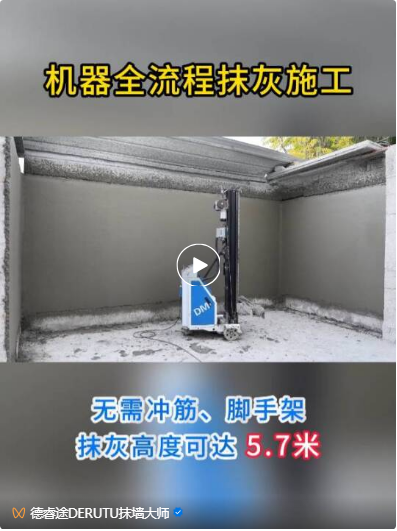
With higher efficiency, stabilized quality, and better cost control, it is no wonder that an increasing number of benchmark projects are shifting toward mechanized construction. Since machine-based operations are less susceptible to the variability of human performance, daily output becomes predictable—giving project managers greater confidence when scheduling work.
What’s the toughest part of the plastering phase in your projects—finding labor, meeting deadlines, or dealing with hollow spots and rework? Share your thoughts in the comments!